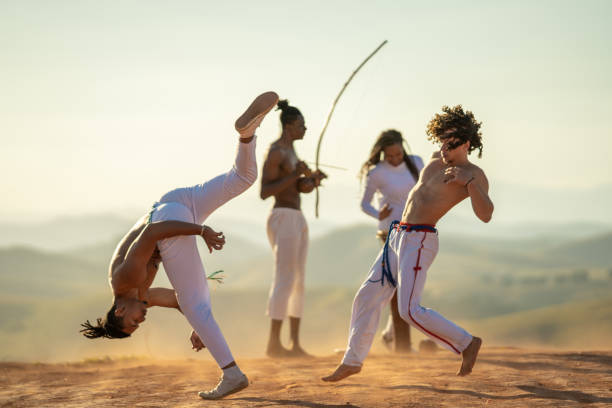
We all know that exercise is important.
Most of us know it's supposed to be good for us, but it's easy to get distracted by messages about weight loss, gym memberships and running marathons.
The truth is that exercise has enormous benefits for both our physical and mental health.
When we're young, exercise helps us build strength, endurance, balance and resilience. It helps us develop confidence in our bodies and often provides opportunities for social connection and teamwork.
It also helps us build stronger bones.
This is particularly important because our bones respond to the stresses we place upon them. Weight-bearing exercise encourages our bodies to build and maintain bone density, helping to reduce the risk of osteopenia and osteoporosis later in life.
As we get older, our reasons for exercising often change.
We may be less interested in improving our sporting performance and more interested in staying active, maintaining our independence and continuing to do the things we enjoy. Whether that's travelling, gardening, playing with grandchildren or simply getting out for a good walk, exercise helps us keep doing those things.
All of these reasons are perfectly valid.
The problem is that many people struggle to find a form of exercise they actually enjoy.
Not everyone loves the gym.
Running can feel repetitive.
Team sports can be fantastic for some people but a complete nightmare for others.
And that's OK.
The best exercise isn't necessarily the one that burns the most calories or has the fanciest equipment.
It's the one you'll actually keep doing.
Current recommendations suggest at least 150 minutes of moderate-intensity exercise per week, along with activities that strengthen muscles on at least two days each week.
That sounds like a lot when written down, but it doesn't have to involve hours in a gym.
Does walking up a steep hill every day count?
Absolutely.
If you're getting a bit out of breath, working your heart and lungs and challenging your muscles, it counts.
This is something I hear a lot.
People often worry that exercise will wear their joints out or make arthritis worse.
In reality, healthy joints generally respond well to appropriate loading. Cartilage, like many tissues in the body, responds to the demands placed upon it. We don't usually wear healthy joints out by using them; we help them stay strong by using them appropriately.
That doesn't mean you should ignore pain or train through an injury.
Most injuries benefit from a period of modified activity, rehabilitation exercises and progressive loading. You may need to temporarily change what you're doing, but in most cases the goal is to get you moving again, not to stop moving altogether.
The good news is that there are hundreds of ways to move your body. The chances are that one of them will suit you.
Hate running? Try hill walking.
Hate gyms? Try outdoor fitness classes or boot camps.
Don't enjoy aerobics classes? How about a dance class instead?
Used to love football but don't fancy the pace anymore? Try walking football.
Looking for something a bit different? Pole fitness is a fantastic combination of strength, flexibility and skill.
Want to improve strength and mobility? Yoga or Pilates might be worth exploring.
Enjoy a bit of competition? Tennis, badminton, pickleball and squash can all be played well into later life.
Prefer your own company? Paddleboarding, hiking, cycling and swimming can be as challenging or relaxing as you want them to be.
The point is that exercise doesn't have to mean jogging around the block or suffering through a gym session that you hate.
There are hundreds of ways to move your body. The chances are that one of them will suit you.
Don't ask yourself what the best exercise is. Ask yourself what exercise you'll still be doing a year from now.
Because the perfect exercise programme that lasts three weeks isn't nearly as valuable as the activity you genuinely enjoy and continue doing for life.


